

The Portland Pest Journal
The Portland Pest Control Journal
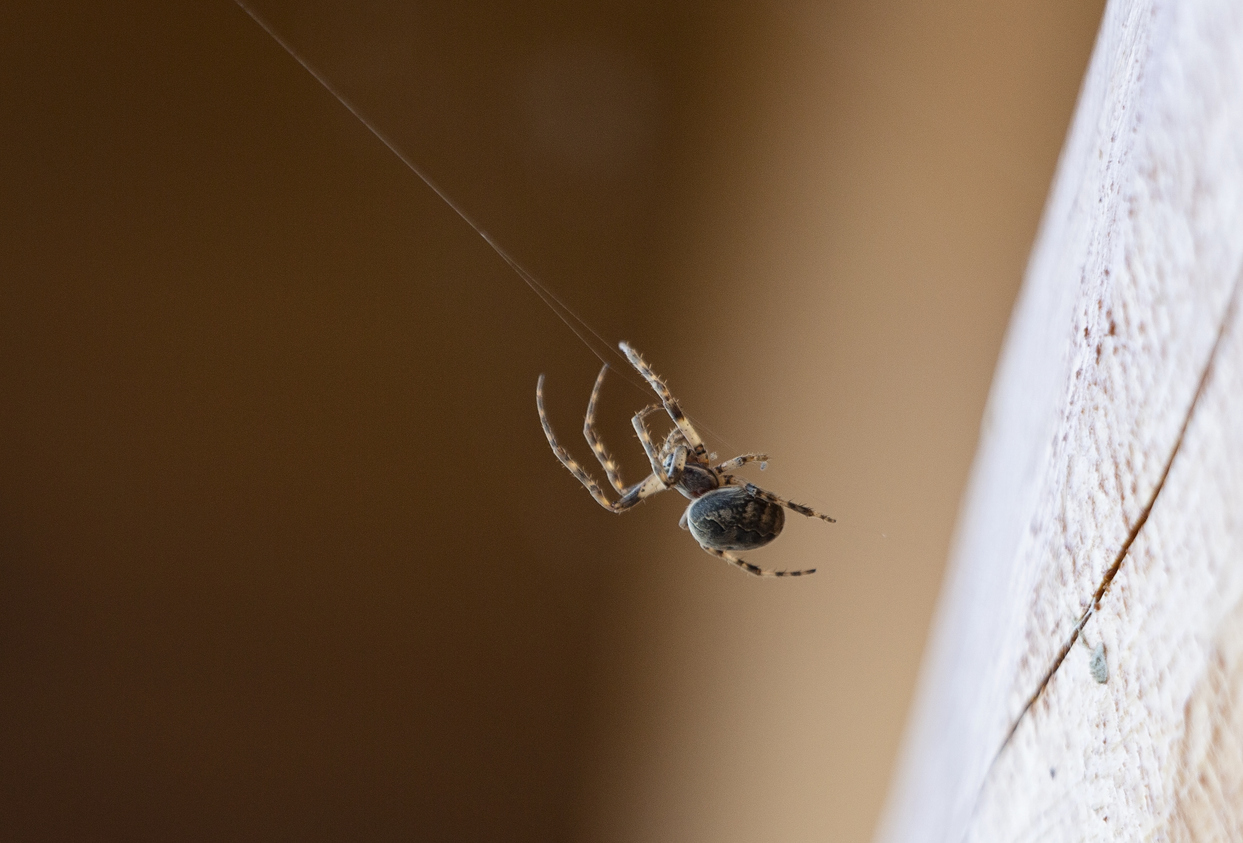
April – Spiders – A Recent Job & What I’m Seeing in Corpus Christi Homes
By John, Owner, Total Pro Pest Control
What I Walked Into
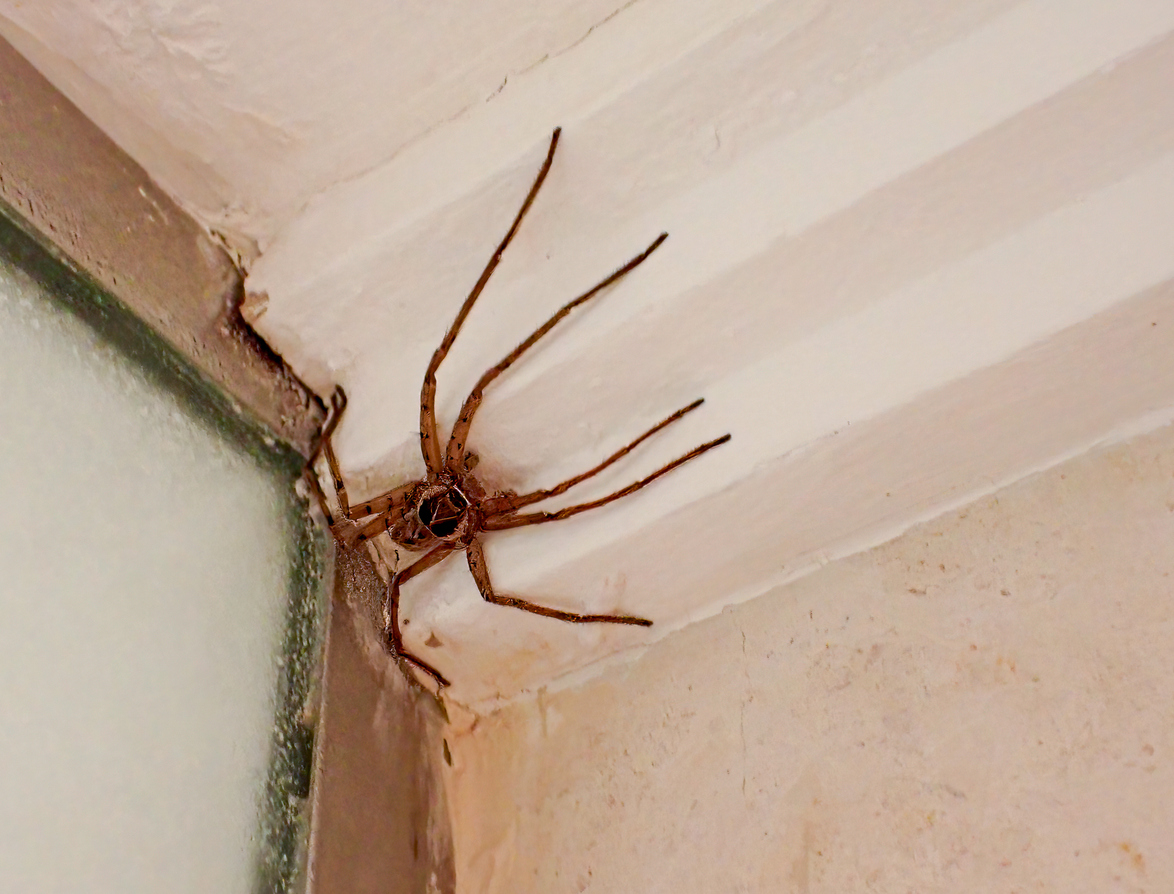
A few days ago, I got a call from a homeowner here in Corpus Christi. It was a single-story home near the water, well kept, nothing out of the ordinary. The homeowner said they’d been noticing more spiders than usual—mostly in the corners of the living room, bathrooms, and along the ceiling edges.
At first, it was just one or two. Then it turned into seeing them every day. They also mentioned finding webs in the garage and around the windows, even after cleaning them a few times.
That’s usually when people start to get uncomfortable. Not because spiders are everywhere—but because they keep coming back.
The Problem
Spiders are different from most pests. They don’t come inside for your food—they come inside because something else already is.
During the inspection, here’s what stood out:
Webs forming in upper corners of rooms and along window frames
Activity in the garage and around stored items
Small insects around exterior lighting and near entry points
Gaps around windows and vents where insects—and spiders—were getting in
What this told me was simple: the spiders weren’t the main issue. They were there because there was a steady food source.
That’s something most people don’t realize. If you’re seeing spiders regularly, it usually means other insects are active in or around the home. Spiders follow that.
The homeowner wasn’t dealing with damage or anything major, but the constant presence of spiders made the house feel uncomfortable. That’s usually the biggest concern—seeing them often enough that it starts to feel like a pattern.
The Process
I started outside, because that’s where most spider issues begin.
First, I checked around the perimeter of the home. I found webbing along the eaves, around outdoor lighting, and near the garage. Lights tend to attract insects at night, which then attract spiders.
I treated the exterior perimeter, focusing on entry points, window frames, door frames, and the areas where webs were forming. The goal is to reduce both spiders and the insects they feed on.
After that, I removed existing webs from the exterior. This step matters more than people think. Old webs signal a good environment for spiders to return.
Inside, I treated targeted areas like baseboards, corners, and behind furniture—places where spiders tend to settle. Nothing excessive, just focused application where it was needed.
We also talked about reducing insect activity around the home, especially near lights and entry points. Less food means fewer spiders.
Everything was done step by step. No shortcuts.
The Outcome
Within a few days, the homeowner started noticing a real difference. There were fewer webs showing up in the corners, and the random spider sightings they were having every day stopped. The garage and window areas, where most of the activity was, stayed clear.
By the time I followed up about a week later, there was no new activity inside the main living areas. No new webs forming, no spiders showing up in the same spots they had been dealing with before.
They told me the house felt more comfortable again. That’s usually what people are after. It’s not just about getting rid of what’s there—it’s about not having to think about it all the time.
They also mentioned they weren’t automatically looking up at corners or checking ceilings every time they walked into a room. That habit goes away once the problem is handled properly. That’s usually when I know things are actually under control.
DIY Advice I Shared With the Homeowner
After the job, I gave them a few simple things they could keep doing to stay ahead of it. These are the same things I tell most homeowners dealing with spiders:
Knock down webs regularly, both inside and outside
Keep outdoor lights off when not needed, or switch to bulbs that attract fewer insects
Seal gaps around windows, doors, and vents
Keep storage areas like garages and closets organized and not overcrowded
Vacuum corners, baseboards, and behind furniture on a regular basis
I also mentioned a few smaller things that people usually don’t think about:
Don’t leave doors or windows open unless screens are in good shape
Try not to let clutter build up in quiet areas where spiders won’t be disturbed
Pay attention to small insect activity around lights and windows—that’s usually what’s bringing spiders in
None of these steps are complicated, but staying consistent with them makes a big difference. They followed through on those changes, and it helped keep the problem from coming back.
Professional Insight
Spider control isn’t really about spiders alone. It usually comes down to what’s attracting them in the first place.
If there’s a steady food source—small insects around lights, moisture near entry points, or easy access inside—the spiders will keep showing up. That’s why quick fixes don’t usually last. You might get rid of the ones you see, but more will replace them if nothing else changes.
What I focus on during a job is the full picture—entry points, exterior activity, lighting, and the conditions that allow insects to build up around the home.
Professional treatment helps because it handles all of those things together instead of just reacting to what’s visible.
It’s not complicated—it’s just understanding how spiders end up inside in the first place.
Closing Thoughts
What I’ve noticed over time is that spider problems are usually a sign of something else going on around the house.
They don’t show up randomly. There’s always a reason.
If you’re in Corpus Christi and seeing more spiders than usual—especially in the same areas—it’s worth looking into sooner rather than later. Small signs are easier to deal with before they turn into a routine problem.
Stay on top of cleaning, keep an eye on entry points, and don’t ignore repeat activity.
– John

Schedule a Pest Inspection
Ready to schedule a pest inspection? Contact us today.

Have a question? Give us a call
We are happy to answer any questions you have :)
2030 US-181, Portland, TX 78374, USA
(361) 320-7706
