

The Portland Pest Journal
The Portland Pest Control Journal
End-of-Year Pest Review: What 2025 Taught Portland Homeowners (and How to Prep for Winter)
Mosquitoes That Never Quit
If there was one pest that truly defined summer 2025, it was the mosquito. Despite homeowners’ best efforts, these relentless biters dominated backyards, patios, and parks throughout Portland, TX. The region’s long stretches of rain and humidity created the perfect storm for mosquito breeding, turning even the smallest puddle into a nursery.
Why They Stuck Around Longer Than Usual
Extended Warm Weather – The Texas Gulf Coast stayed hot well into October, giving mosquitoes extra time to feed and reproduce.
Frequent Rainfall – Each afternoon shower filled birdbaths, gutters, and yard drains — ideal standing-water environments for larvae.
High Humidity Levels – Mosquitoes thrive in moist, damp air, making late summer evenings particularly active times for swarms.
Urban & Coastal Conditions – Coastal towns like Portland often have higher mosquito populations due to marshy soil, vegetation, and standing water retention.
Why It Matters
These pests are more than just an itchy inconvenience — they can pose serious health threats to families and pets:
Disease Transmission: Mosquitoes in Texas can carry West Nile Virus, Zika Virus, and Dengue Fever, all of which can spread silently through a single bite.
Increased Outdoor Exposure: With kids playing after school and families enjoying backyard time, the chance of bites — and potential infection — increases.
Hidden Breeding Spots: Many homeowners overlook small, inconspicuous places where water collects, such as:
Plant saucers and flowerpots
Birdbaths and pet bowls
Clogged gutters and yard drains
Children’s toys, wheelbarrows, or tarps left outdoors
Unused tires or lawn equipment
How to Prevent Mosquitoes Before Winter
While winter typically slows mosquito activity, taking preventative measures now helps stop them from returning strong in spring.
Winter Prep Tips:
Drain Standing Water: Empty and scrub all containers that hold stagnant water, including plant trays and pet bowls.
Clean Gutters & Downspouts: Remove debris and ensure water flows freely after rainfall.
Trim Vegetation: Overgrown shrubs and grass provide cool, damp hiding spots for adult mosquitoes.
Repair Leaky Faucets or Irrigation Lines: Even a small drip can create puddles that breed larvae.
Add Mosquito Dunks to Water Features: For ponds or fountains, use eco-friendly larvicides to stop eggs from hatching.
Schedule a Professional Mosquito Treatment:
A Total Pro Pest Control technician can perform a targeted barrier spray around your yard’s perimeter, shrubs, and shaded areas.
Treatments can reduce adult populations and disrupt breeding cycles before spring begins.
Consider adding this to your Quarterly Pest Program for consistent, year-round protection.
Ants on the March (All Year Long)
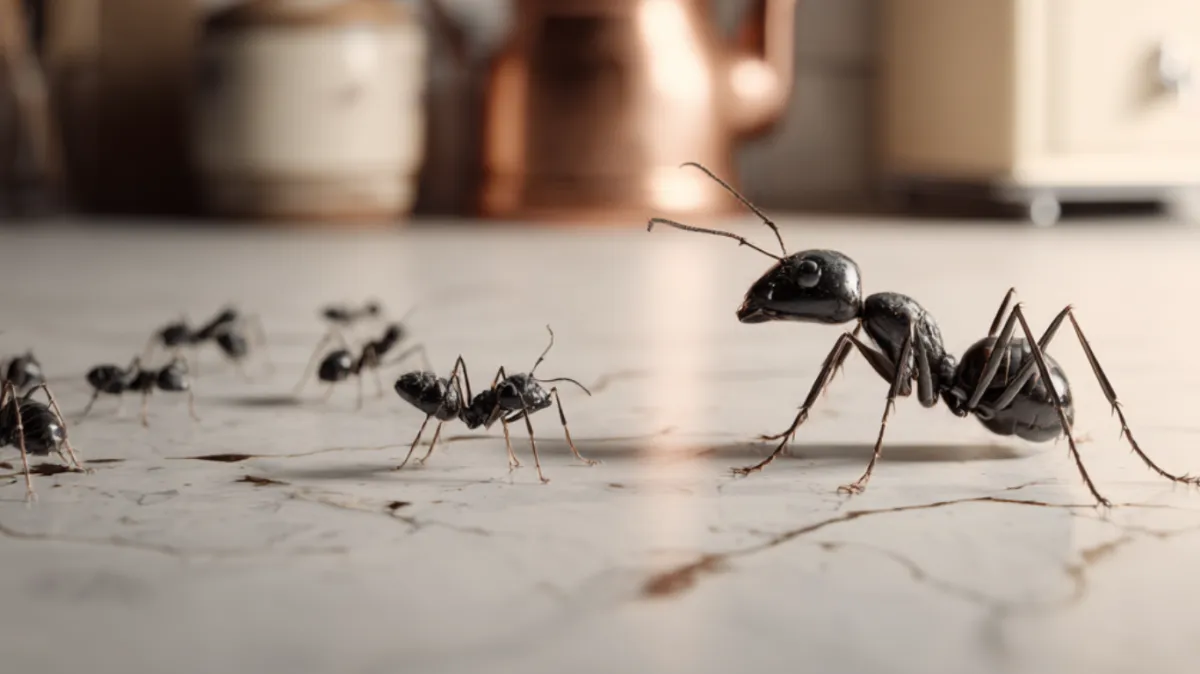
If 2025 had a pest that refused to take a break, it was the ant. From kitchens to crawl spaces, these tiny invaders showed incredible persistence throughout the year. In Portland, TX, both carpenter ants and sugar ants led the charge — invading homes through the smallest cracks and crevices in search of food, water, and shelter.
Unlike seasonal pests that disappear once temperatures drop, ants can survive year-round indoors, turning a minor nuisance into a long-term maintenance concern if not handled properly.
Why Ants Were So Active in 2025
Longer Warm Seasons – Texas experienced extended periods of warmth in 2025, allowing ant colonies to stay active deep into the fall months.
Excess Moisture from Heavy Rains – Repeated summer storms drove ants indoors, seeking dry ground and consistent shelter.
Urban and Coastal Expansion – Construction and landscaping work often disturb existing ant colonies, pushing them to relocate into nearby homes.
Accessible Food Sources – Leftover crumbs, pet food, and unsealed pantry goods served as steady food supplies for ant scouts.
Hidden Entry Points – Gaps under doors, window seals, and utility openings provided easy, unnoticed access for thousands of tiny intruders.
Common Ant Species in Portland, TX Homes
Carpenter Ants: Known for burrowing into wood, they can cause structural damage to beams, flooring, and wall studs.
Sugar Ants: Attracted to sweet spills and crumbs, often found in kitchens, pantries, and bathrooms.
Fire Ants: Aggressive outdoor invaders that create large mounds in lawns and can sting when disturbed.
Odorous House Ants: Give off a foul, “rotten coconut” smell when crushed — often nest behind baseboards or under appliances.
Signs You May Have an Ant Infestation
Small dirt trails or visible lines of ants traveling along walls or counters.
Piles of fine sawdust near wooden structures (a sign of carpenter ants).
Crumbling wood or hollow-sounding boards.
Ants emerging from electrical outlets, window frames, or plumbing openings.
Persistent reappearance of ants even after cleaning or DIY treatments.
The Hidden Dangers of Ignoring Ant Activity
While most homeowners view ants as harmless, their presence can lead to bigger issues:
Structural Damage: Carpenter ants can hollow out beams and studs.
Food Contamination: Ants carry bacteria that spread on countertops and dishes.
Electrical Hazards: Some species can chew through insulation around wiring.
Costly Repairs: Neglecting colonies can turn a $100 problem into a $1,000 repair.
How to Prevent Ants Before Winter
Preventing ants requires consistent cleanliness and physical barriers. As they prepare for cooler months, it’s crucial to make your home less inviting.
Winter Prep Tips:
Seal Entry Points:
Inspect around doors, windows, vents, and utility lines.
Use weatherstripping and silicone caulk to close gaps.
Eliminate Food Sources:
Wipe up crumbs, spills, and residue immediately after cooking.
Store pantry items like sugar, cereal, and flour in airtight containers.
Keep pet food sealed when not in use.
Reduce Moisture:
Fix leaky faucets, dripping pipes, or damp areas near sinks.
Use a dehumidifier in basements or crawl spaces.
Remove Outdoor Attractants:
Keep mulch and vegetation at least a foot away from your foundation.
Regularly empty trash bins and keep lids tightly closed.
Monitor Regularly:
Check baseboards, window sills, and cabinets for trails.
Note any recurring patterns of activity.
Don’t let 2025’s pest problems roll into the new year. Call Total Pro Pest Control today or visit the website to schedule your winter inspection and treatment plan.
Total Pro Pest Control – Keeping Portland homes protected, comfortable, and pest-free all year long.

Schedule a Pest Inspection
Ready to schedule a pest inspection? Contact us today.

Have a question? Give us a call
We are happy to answer any questions you have :)
2030 US-181, Portland, TX 78374, USA
(361) 320-7706
