

The Portland Pest Journal
The Portland Pest Control Journal
Ant Control - A Recent Job & Some Homeowner Tips
By John, Owner, Total Pro Pest Control
What I Walked Into
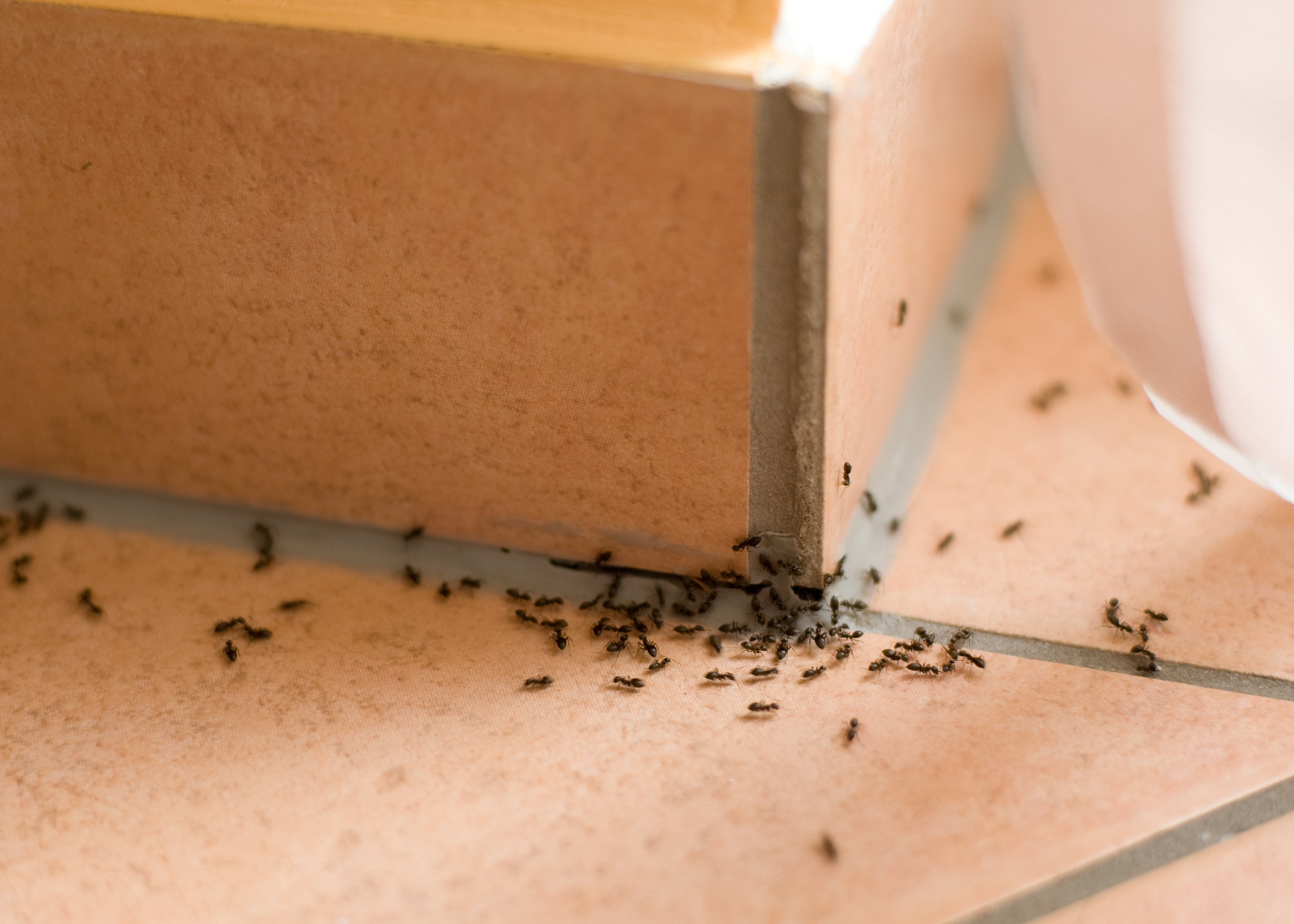
Last week, I got a call from a homeowner here in The Greater Corpus Christi. It was a single-story house, newer build, nothing unusual from the outside. The homeowner said they kept seeing ants around the kitchen sink and along the back wall. At first, there were just a few here and there. Then it turned into a steady line every morning.
They told me they had already cleaned the counters multiple times and even tried a few store products, but the ants kept coming back. That’s usually when I get the call—after someone realizes it’s not going away on its own.
The Problem
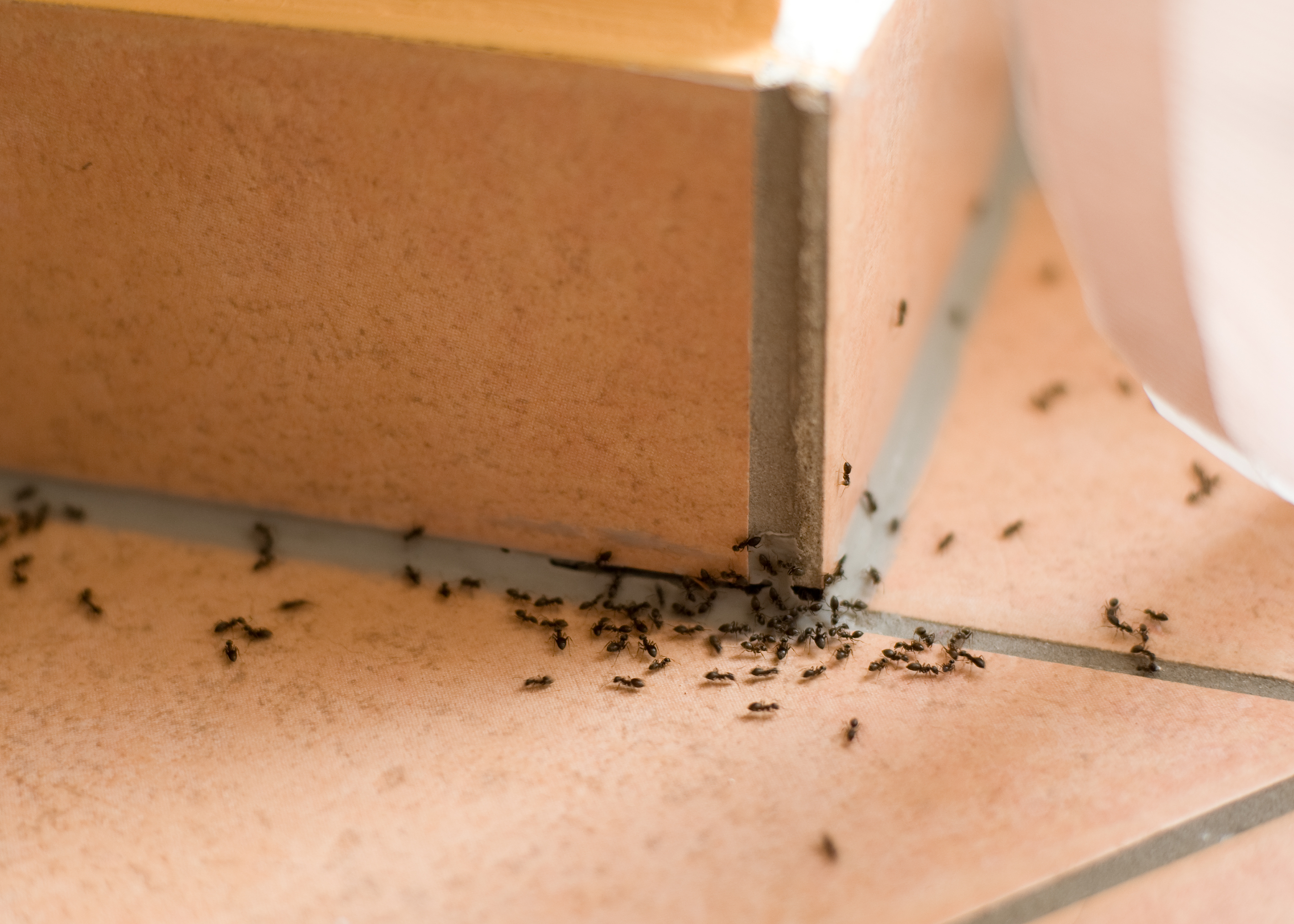
I see this all the time with ants. They might seem small at first, but once they settle in, they stay consistent. What starts as a few here and there can quickly turn into a steady line showing up every day.
When I went through the inspection, a few things stood out right away. I found a clear entry point near the back door where they were getting in, and from there, they were moving along the kitchen counter and behind the coffee maker. There was also some moisture under the sink from a slow leak, which was giving them a reliable water source. Outside, near the foundation, there were signs that the nest wasn’t far from the house.
Once I put everything together, it was obvious they had already built a routine. They were coming in the same way, following the same path, and heading straight to the areas that gave them what they needed.
A lot of people think ants just wander in randomly, but that’s not really how it works. That line you see inside is connected to a colony, usually somewhere outside. In this case, they had a direct path from the nest straight into the kitchen, and nothing was interrupting it.
The homeowner was mainly frustrated. The place was clean, and they were already wiping things down regularly, but the ants kept coming back. That’s pretty common. Once ants find a steady food or water source, they don’t stop on their own. They keep returning until something breaks that pattern or the colony is properly dealt with.
The Process
I started outside, since that’s where most ant problems begin.
First, I checked the perimeter of the home. I found activity near the back door and along the foundation where the soil stayed slightly damp. That’s a common place for ants to build.
I treated the exterior around those areas to create a barrier and start reducing the colony activity near the home.
After that, I moved inside. Instead of spraying everything, I placed targeted bait along the ant trail and in areas where they were actively moving. Ant control works better when they carry the product back to the colony rather than just killing the ones you see.
I also pointed out the moisture issue under the sink. Even a small leak can keep ants coming back, so I recommended getting that fixed along with sealing the gap near the door where they were entering.
Nothing complicated. Just working from the outside in and addressing what was actually causing the problem.
The Outcome
Within a few days, the number of ants dropped off noticeably. The trail that had been showing up every morning started to break apart, and the lines became shorter each day until they were gone.
By the time I checked back about a week later, there were no visible ants in the kitchen. No new trails forming, and no activity in the spots where they had been coming in before.
The homeowner mentioned the biggest difference was not having to keep cleaning the same area multiple times a day. That routine stopped, and things went back to normal. They also said it helped knowing exactly where the ants were coming from and what to keep an eye on moving forward.
That’s usually the goal—not just getting rid of what’s there, but making sure it doesn’t turn into the same issue again a few weeks later.
DIY Advice
After the job, I went over a few simple things they could keep doing to stay ahead of it. Nothing complicated, just habits that make a difference over time.
I told them to wipe down kitchen counters daily, especially around sinks and appliances, and to store food in sealed containers instead of leaving it out. I also pointed out the importance of fixing small leaks or moisture issues early and sealing any visible gaps around doors and windows. Outside, keeping the area around the foundation clean and not too damp can help reduce what attracts ants in the first place.
I also mentioned a few things people don’t always think about. Spraying random products directly on ant trails can actually make the problem worse by causing the colony to spread. It helps to rinse dishes and cups instead of leaving them overnight, keep pet food areas clean and dry, and pay attention if activity keeps showing up in the same spots.
They stayed consistent with those steps, and it helped keep the ants from coming back.
Professional Insight
Ant problems usually come down to the colony, not just what you see inside the house.
If the colony is still active and close to the home, ants will keep finding their way back no matter how often you clean. Wiping surfaces and removing food helps, but it doesn’t deal with where they’re actually coming from.
That’s why professional treatment focuses on figuring out where they’re entering, what’s attracting them, and how they’re moving through the home. Once you understand that pattern, you can interrupt it properly instead of just reacting to what’s visible.
It’s not about doing more. It’s about doing the right things in the right places so the problem doesn’t keep repeating.
Closing Thoughts
What I’ve noticed over time is that ant problems tend to follow the same pattern. It starts small, then becomes consistent if it’s not addressed early.
If you’re in The Greater Corpus Christi and seeing ants in the same areas day after day, it’s worth taking a closer look. It usually means there’s a clear path and a reason they’re there.
The sooner it’s handled, the easier it is to control.
Stay on top of small signs, keep an eye on moisture and entry points, and don’t ignore repeat activity.
– John
[https://totalpropestcontrolportland.com/commonantsportland]

Schedule a Pest Inspection
Ready to schedule a pest inspection? Contact us today.

Have a question? Give us a call
We are happy to answer any questions you have :)
2030 US-181, Portland, TX 78374, USA
(361) 320-7706
